
Chapter 5: Death
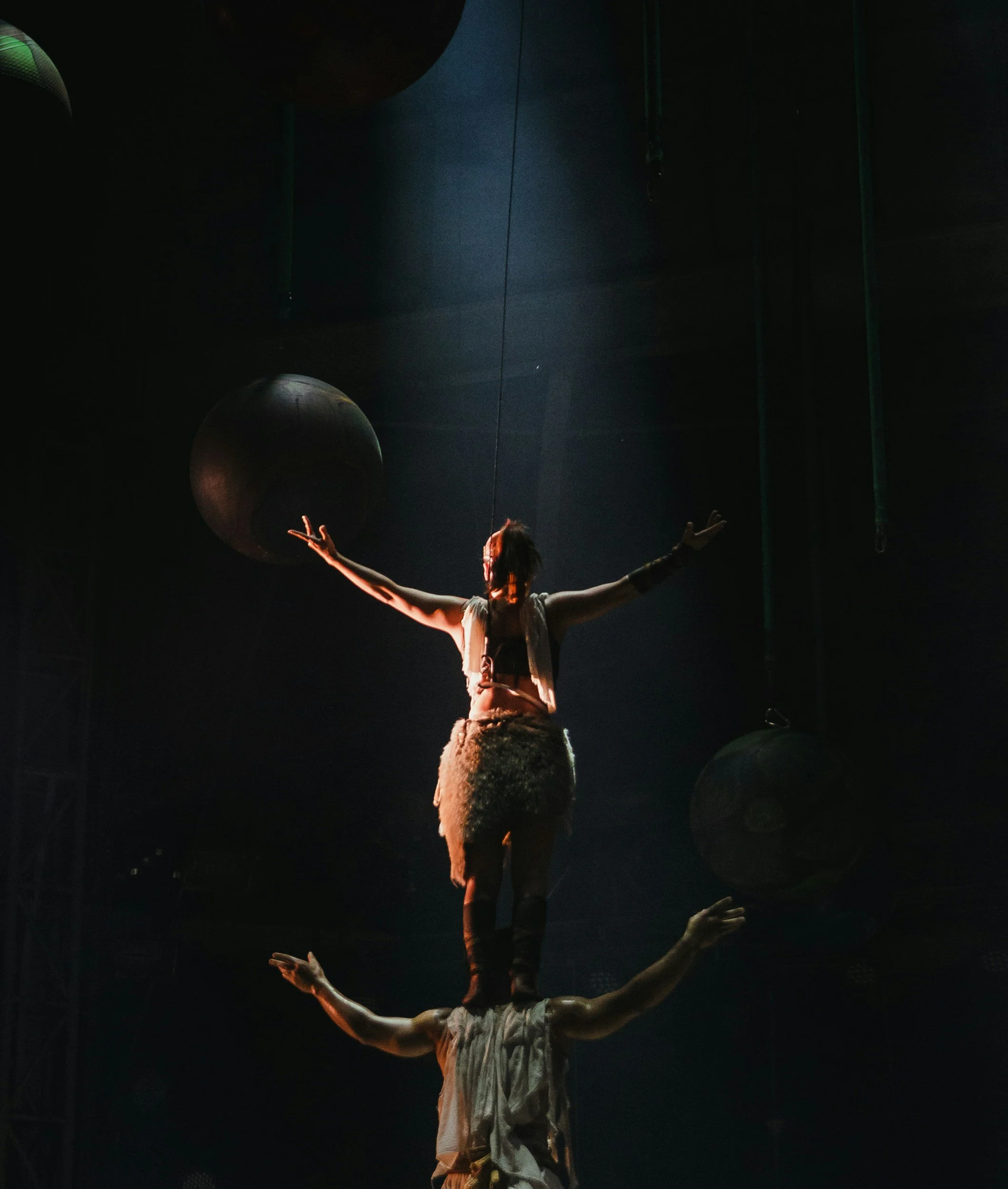
Our anima and animus are forces within us that represent the opposite gender. as identified by Carl Jung, the anima represents the feminine aspect within a man's unconscious mind, while the animus represents the masculine aspect within a woman's unconscious. As our unconscious inner archetypes of femininity and masculinity, they strongly influence the partners we are drawn to without our awareness. We are unconsciously looking for that in the other person to help us feel whole.
That’s why, when these inner qualities are imbalanced or distorted, we may unconsciously seek out relationships that mirror unresolved issues, projections, or fantasies related to these archetypes. Our anima and animus can become distorted through various influences, especially when shaped by media, cultural stereotypes, and societal expectations. These external influences often create unrealistic or exaggerated images of what the opposite gender should be or how love should look, which can distort our inner archetypes.
For example, media frequently portray idealized versions of masculinity and femininity such as the perfect hero or the ultimate nurturer that may lead us to form rigid or superficial ideas about ourselves and others. These images can cause us to project unrealistic expectations onto potential partners, or to over-identify with certain traits that don’t truly reflect our authentic selves.
Societal stereotypes can also internalize notions that men must be strong, unemotional, or dominant, while women should be nurturing, passive, or dependent. These distortions can hinder our ability to connect genuinely, as they create barriers to expressing authentic feelings or vulnerability.
The impact of these distortions can manifest as confusion about our true needs, difficulty in recognizing healthy relationships, or repeating unhealthy patterns. For example, someone with a distorted anima might be attracted to emotionally unavailable partners, seeking validation or nurturing that they haven't fully embraced within themselves. Conversely, a person with a distorted animus might be drawn to controlling or overly dominant partners, reflecting internal struggles with self-worth or authentic masculinity.
To heal, we need to become aware of these external influences, question their validity, and consciously work to reconnect with our genuine inner femininity or masculinity beyond the distorted images to foster authentic, balanced relationships.To ensure we’re choosing the right partners, it’s essential to develop self-awareness of how these archetypes influence us.
EXERCISE
Connecting with your anima or animus involves deep inner exploration and it can definitely be helpful to work with a Jungian-style therapist. Still, there are ways we can begin to understand and heal our anima/animus:
Tarot Reflection
~ The tarot cards hold deep archetypal wisdom. You can pull out each of the cards of the oppositve gender (or whichever one speaks to you the most), and reflect on those aspects within you. How do you embody those qualities? Where are you struggling to embody them or have resistance? The potential for insight here is really endless.
Dreamwork
~ Begin a habit of writing down your dreams first thing in the morning when you wake up. Pay attention particularly to anyone who shows up from the opposite gender. What are their characteristics? What are they looking to do? It’s good to write down the words and answers to these questions instictively rather than thinking about it too much. After a while you’ll start to notice patterns and start to piece together an understanding of what your anima/animus is like and needs.
Imagination
~ Create a quiet, receptive space for self-reflection and inner dialogue. Affirm your wish to get to know your anima or animus, and allowing images, symbols, a person or scenes to emerge without judgment. You can dialogue with any of these inner parts. For example, visualize yourself encountering a representation of your anima or animus, and ask what they would say or want you to know. Notice what qualities, emotions, or tendencies come up; are they nurturing, courageous, vulnerable, or confident? Observe how these qualities manifest in your thoughts, feelings, and behaviors.
Shadow work
~ Back to shadow work again! You can also cultivate relationship awareness by noticing which traits you admire or project onto others, as these often mirror your inner archetypes. You can do with with people in your life, especially those you see regularly or who you have a strong emotional reaction to. And you can also do it with any celebrities or public figures you are drawn to or repulsed by. All of this can be very informative.
The key is to approach this process with curiosity and compassion, allowing your anima or animus to reveal themselves gradually. Through consistent reflection, creative expression, and inner dialogue, you can build a conscious connection and gain clarity on what these parts are like and how integrating them can bring balance and authenticity into your relationships.